
If 2025 was the year of “announcements,” 2026 is the year of “execution.” As we approach the Union Budget on February 1st, 2026, the energy and mobility sectors are no longer just speculative plays—they are the backbone of the government’s $7 trillion economy goal. Why is this Budget a “coiled spring” for these stocks? Truth be told, the shift from pure capacity addition to grid reliability and component localization is creating a new breed of winners.
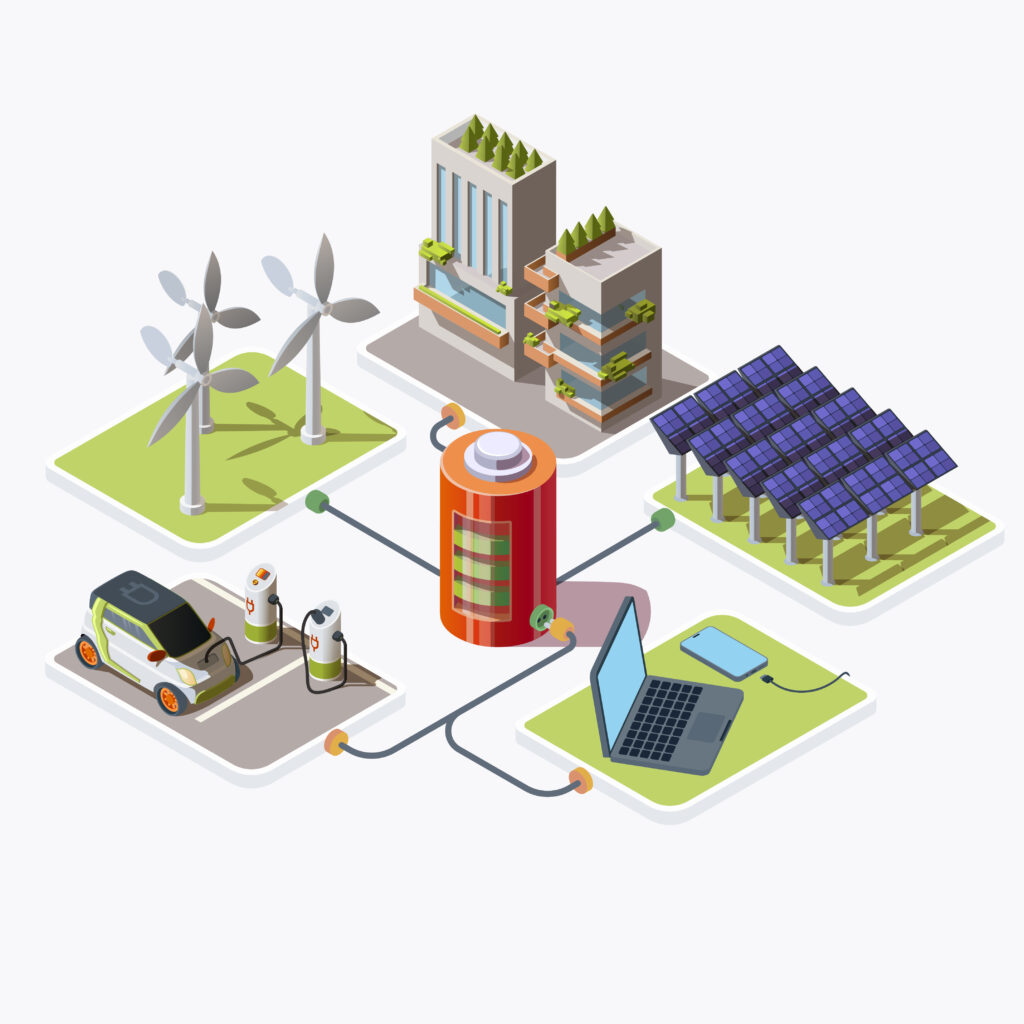
The “Budget Boost”: Why Solar and EV are Favorites
The “Why” behind the expected explosion lies in three massive policy pivots expected this February:
- PM Surya Ghar Phase II: With the initial target of 1 crore households already 25% achieved by late 2025, the 2026 Budget is expected to provide an additional ₹15,000–₹20,000 crore to fast-track installations. This isn’t just good for panel makers; it’s a goldmine for solar inverter and telemetry companies.
- FAME 3 & PM E-DRIVE: While earlier schemes focused on two-wheelers, 2026 is the year of Heavy Duty & Commercial EVs. Rumors suggest a massive outlay for electric trucks and inter-city buses, benefiting specialized component makers.
- The “Battery First” Outlay: You can’t have a grid on sunshine alone. The industry is expecting Viability Gap Funding (VGF) for grid-scale battery storage to jump from 500 MWh to 5 GWh in 2026.
How to Spot the Next Multi-bagger Under ₹150
Surprisingly, the best gains in 2026 may not come from the “Large Cap” giants like Reliance or Tata Power, but from the SME and Mid-cap ecosystem that provides the nuts and bolts. Here is how to filter for quality:
1. The “Backward Integration” Check
In 2026, the government is penalizing companies that just “assemble” Chinese parts.
- Look for: Companies benefiting from the PLI (Production Linked Incentive) for Solar Wafers and Cells. If a stock under ₹150 is setting up its own cell line, it’s a high-conviction play.
2. The “Balance of System” (BoS) Players
Everyone looks at the solar panel, but nobody looks at the mounting structures, cables, and inverters. These components often have higher margins because they aren’t as “commoditized” as panels.
- Filter: Search for stocks with a Price-to-Earnings (P/E) ratio under 30 in the engineering and electrical equipment sectors.
3. Battery Tech: Beyond Lithium
With the Income Tax Act 2025 incentivizing R&D, companies working on Sodium-ion or Solid-state research are the “hidden” multi-baggers. Even if they are penny stocks today, their IP (Intellectual Property) makes them prime acquisition targets for the giants.
Common Myth vs. Reality
| Myth | Reality |
| “Solar stocks are already too expensive.” | The Catch: While large-caps are pricey, the ancillary supply chain (glass, chemicals, trackers) is still trading at reasonable valuations. |
| “EV stocks will crash if subsidies are cut.” | Reality: FAME 3 is moving toward R&D and Infrastructure subsidies rather than direct discounts, making the industry more “self-sustainable.” |
| “All penny stocks under ₹100 are multi-baggers.” | Danger: In 2026, “Zombie” companies with high debt are being weeded out. Only buy those with Positive Operating Cash Flow. |
2026 Watchlist: Sectors and Themes (Under ₹150)
- Battery Components: Look at firms specializing in Lithium-ion recycling or anode/cathode manufacturing. (e.g., Starlit Power or Goldstar Power—though highly speculative, they represent the theme).
- Solar EPC & Services: Companies that maintain solar farms are “cash cows” because they have recurring revenue. (e.g., SJVN Ltd or Inox Wind—currently trading near or around this range).
- EV Charging Software: As physical chargers become common, the Software-as-a-Service (SaaS) that manages them is where the “sticky” profit lies.
Pro-Tip: Check the Promoter Pledge. In a high-growth sector like renewables, if promoters are un-pledging shares before the Budget, it’s a strong signal of internal confidence.
Actionable Summary: Your Pre-Budget Plan
- Diversify within the theme: Don’t just buy EV; buy the battery maker, the charger provider, and the renewable energy utility.
- Watch the “Debt-to-Equity”: Green energy is capital-intensive. Ensure your pick has a D/E ratio below 1.0.
- Set 2-Year Horizons: These are not “intraday” plays. The real “explosion” happens as the 2026 Budget projects reach completion by 2028.
People Also Ask (FAQs)
1. Which solar stock is best for the long term in 2026?
While Tata Power and Adani Green are leaders, for value seekers, SJVN and IREDA (the “Bank of Green Energy”) are often preferred due to their sovereign backing and growth pipelines.
2. Will the 2026 Budget remove the 40% Basic Customs Duty (BCD) on solar?
Unlikely. The government wants to protect domestic manufacturers. Instead, expect the Budget to offer subsidies for manufacturing equipment to help Indian firms lower their own costs.
3. Is it a good time to buy EV battery penny stocks?
It is a high-risk strategy. Focus on companies that have actual Off-take Agreements with major auto OEMs (Original Equipment Manufacturers) like Mahindra or Tata Motors.
4. How does the “Model Solar Village” scheme help stocks?
By allocating ₹800 crore to 800 villages, the government is creating a massive decentralized market for micro-grids and small-scale storage, which is perfect for mid-cap stocks to dominate.